Why We Should End Animal Testing in Cosmetics
Animal testing has been a practice used for medical research to ensure the safety of products on humans. However, for decades animal testing has been a heated topic of debate as some people believe animals should not be subject to harm for the purpose of human benefit when there are alternatives to animal testing out there, whereas others believe that animals are a vital means for testing the safety of products in order to protect consumers and advance medical research techniques. Though, yes, it is true that humans gain medical benefits from animal testing, the harm, common deaths, and cruelty of the animals used in the experiments are problematic. As other forms of testing exist, animal testing in medical research is unnecessary and unethical as it exploits animals for human benefit.
The Problem
To assess the safety of products or possibly harmful chemicals, the cosmetics industry uses animals such as mice, guinea pigs, and rabbits. Painful treatments like skin irritation tests or forced chemical exposure on these animals are frequently a part of this process.
Animal testing in the beauty industry invites ethical concerns, as it positions animals to abuse to test consumer products that could be produced without cruelty. According to the Humane Society, the term “animal testing” refers to “procedures performed on living animals for purposes of research into basic biology and diseases, assessing the effectiveness of new medicinal products, and testing the human health and environmental safety of consumers” (Stone). Stone explains how all animal testing procedures can potentially cause the animals distress and pain.
Animal testing is still standard in many world regions despite tremendous advancements in substitute testing techniques, including in-vitro and computer modeling. New non-animal testing techniques that are frequently quicker, less costly, and more dependable have replaced animal testing with contemporary techniques.
An example of an alternative to animal testing includes organ-on-a-chip technology. Here, smaller tissues are cultivated inside micro-fluidic chips. To accurately simulate human tissues, these chips regulate the cell microenvironment (Ming). Another example is in vitro testing. In vitro testing enables the application of chemicals to the “human cornea or epidermis” (Huber) rather than to the eyes or skin of animals. This provides a more realistic image of how these cosmetics affect people (Huber).
Numerous animals are still cruelly tested for ingredients used in cosmetics worldwide despite the availability of non-animal methods. Encouraging a more sensitive approach to testing the safety of products will save many animals’ lives and help end animal cruelty.
So, the question is, why are companies still using animal testing practices when other testing methods that are much more ethical exist?
Why You Should Care
You may wonder, “How does this affect me?” “How can I change this issue?”
The truth is, your choices matter.
As consumers, we hold power in changing unethical and unessecary harmful practices in the cosmetic industry. By supporting cruelty-free brands, we send a message to the cosmetic industry that animal testing is not acceptable, nor what we, the consumers, want. You have the power to choose what products align with your values. Choosing cruelty-free cosmetics is an easy and impactful way to make a difference.
Target Audience:
This blog is for all beauty lovers, ethical consumers, and anyone interested in making a difference in the products they buy. Whether you’re a skincare enthusiast, a makeup lover, or even someone who cares about animal wellbeing, this blog is for you.
Be the Change: Make the Switch to Cruelty Free Products!
You may wonder, “How do I know what brands are or are not cruelty-free?” The simple answer is, on every cruelty-free product, there should be a symbol called the “Leaping Bunny” that looks like this:
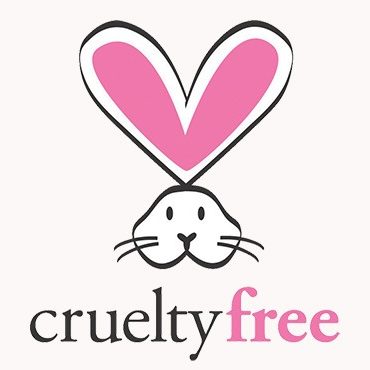
Or, it will say that the product is cruelty free in some other way directly on the product. If you are still unsure or if the product doesn’t have this logo or any other direct way of telling you whether or not it is free from animal testing, researching the brand is going to be your go-to. A quick google search on the brand or visiting the brands website should tell you whether or not it is cruelty free! After researching, if you still are not 100% sure it is cruelty free, your best bet may be to find some alternatives.
The good news is that an ever-growing number of cruelty-free beauty brands are committed to creating products without harming animals. Let’s take a look!
Lush
Lush is an all-natural cosmetic brand that sells tons of products like shampoos, conditioners, body washes, lotions, and makeup! They are best known for being cruelty-free, consisting of all-natural ingredients, and smelling amazing. Click the link to shop for their products!
Too Faced
Too Faced is a makeup brand best known for its “Better Than Sex” mascara and “Lip Injection Extreme Lip Plumper.” However, they have tons of other products that work just as well! They are also known for their luxurious and playful packaging.

(Image Via Too Faced)
Better Than Sex Volumizing Mascara
$29.00

(Image Via Too Faced)
Lip Injection Extreme Lip Plumper
$29.00
E.L.F
E.L.F is a makeup and skincare brand (hence the name short for Eyes.Lips.Face) that sells products at your local pharmacy or Ulta for an affordable price. Along with being on the more affordable side, their products are rich in pigment and often offer incredible results. Click the link to shop!
Aveda
Aveda is primarily a haircare brand selling products like shampoo, conditioners, hair masks, body washes, lotions, and more. They are known for using natural ingredients and sold on the more affordable side. You can find Aveda products right at your local pharmacy. Click the link to shop!
https://www.aveda.com/products/17976/best-sellers
Fenty Beauty
Fenty Beauty, better known as Rihanna’s fabulous makeup and skincare brand, offers a wide range of products like makeup, skincare, and body care, prioritizing the “glow.” Sold closer to a luxury price, Fenty Beauty’s products look, feel, and smell divine. Click the link to shop!
Join the Movement in Ending Animal Testing
The development of alternative testing methods has made animal testing increasingly unnecessary, yet millions of animals continue to suffer for the products that we use daily. By supporting and making more informed decisions to buy from cruelty-free brands, we as consumers can drive change in the cosmetic industry. Join the movement to end animal testing and make a difference on your next shopping spree!
Citations
Aveda. “Best Selling Hair Products | Aveda Best Sellers.” Aveda, www.aveda.com/products/17976/best-sellers.
E.L.F. “Best Selling Makeup and Beauty Products | E.l.f. Cosmetics.” E.l.f. Cosmetics, 2022, www.elfcosmetics.com/best-selling-beauty?srsltid=AfmBOor1sqasnhP75PueM7x446HJYs3qcP_Ra81GPAbk6Zg4sgNCGeEi.
Fenty Beauty. “Fenty Beauty.” Fenty Beauty, 2022, fentybeauty.com/?utm_source=google&utm_medium=cpc&utm_campaign=17285158494&utm_adgroup=137375381672&gad_source=1&gclid=CjwKCAiA6t-6BhA3EiwAltRFGGW9f72cOeLn8U0IrQQL_R-s3uwg_O0yD013DbbTfMY8IFNwSfG1HBoCwK0QAvD_BwE.
Huber, M. “In Vitro Studies – an Overview | ScienceDirect Topics.” Www.sciencedirect.com, 2011, www.sciencedirect.com/topics/agricultural-and-biological-sciences/in-vitro-studies.
Kristin Stone. “About Animal Testing.” Humane Society International, Humane Society International, 21 Oct. 2012, www.hsi.org/news-resources/about/.
Leung, Chak Ming, et al. “A Guide to the Organ-On-a-Chip.” Nature Reviews Methods Primers, vol. 2, no. 1, 12 May 2022, pp. 1–29, https://doi.org/10.1038/s43586-022-00118-6.
Lush. “LUSH Fresh Handmade Cosmetics | Vegetarian & Cruelty Free | LUSH.” Lush, 2024, www.lush.com/us/en_us.
Too Faced. “Better than Sex Mascara | Too Faced.” TooFaced, www.toofaced.com/product/23484/59115/eye-makeup/mascara/better-than-sex-volumizing-mascara/1-selling-prestige-mascara-in-america. Too Faced. “Lip Injection Extreme Lip Plumper.” TooFaced, www.toofaced.com/product/23787/59006/lip-makeup/lip-plumpers/lip-injection-extreme-lip-plumper/hydrating-plumping-lip-gloss.

